- Home /
- About Us
Search Results
TOTAL 283 RESULTS FOR
Display 10 results. Page 10 of 29.
Book a Tour
For more information or to book a tour, please contact our Tour Co-ordinator:
Phone: +64 9 375 8999
Email: NZSAKL.NZSteelTours@bluescopesteel.com
Phone: +64 9 375 8999
Email: NZSAKL.NZSteelTours@bluescopesteel.com
Get Directions
From Central Auckland
Use the on-ramp from Hobson Street / Grafton Road / Stanley Street / Symonds Street or Khyber Pass to join the Southern Motorway. Travel south along the Motorway for approximately 35 kilometres and look for the Pukekohe/Drury exit. The previous two exits are to Takanini and Papakura (and access to a Service Centre). Just after the Papakura exit, you may observe the large Wrightson Bloodstock Sales facility on your right. Take the Pukekohe/Drury exit.
From the Airport
Upon…
Our Environment
One of the many ways in which New Zealand Steel has demonstrated its commitment to the environment is by implementing a formal Environmental Management System. This system provides a structured process to monitor and improve environmental performance and is a key input to our lifecycle approach to sustainability. This approach considers the environmental impact of raw material acquisition, energy use and efficiency, content of materials and chemical substances, emissions to air, soil and water as well as waste generation. Only through considering the full life cycle of our products do we believe we can make the best possible decisions to continue to lower our impact on our environment.
In New Zealand, the Resource Management Act places requirements on companies to manage the effects they have on the physical and natural environment. For New Zealand Steel, the challenge of complying to these strict environmental standards has been met head on.
For information about the environmental impact of New Zealand Steel’s products, view our page Environmental Impact of Products of New Zealand Steel.
Natural Resources
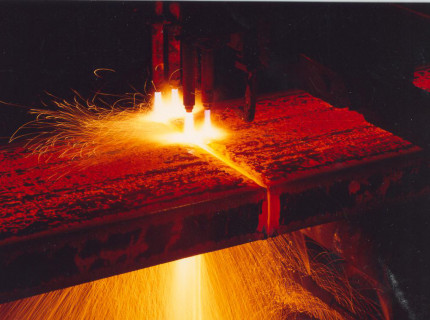
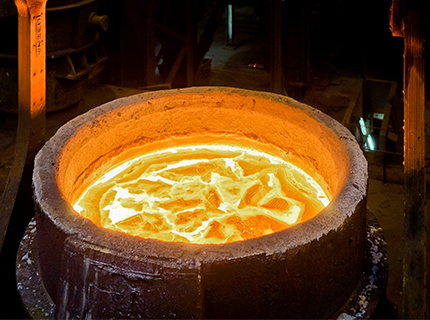
The steelmaking operation at New Zealand Steel’s site at Glenbrook is a unique process that uses ironsand found on the local coast and turns it into iron and steel – no other steelmaking operation in the world makes steel in the same way.
Land Restoration
The reinstatement of the dune formations and land contours where the ironsands have been mined involves extensive planting with marram grass, pine trees, and native plants. 75% of the mined sand is returned to the site for replanting.
Programs for stream protection and riparian planting, pine tree harvest, amenity and visual screen plantings across the Company's 400 hectare Glenbrook site is set out in a Landscape Management Plan. NZ Steel has partnered with the Te Whangai Trust - a charit…
Programs for stream protection and riparian planting, pine tree harvest, amenity and visual screen plantings across the Company's 400 hectare Glenbrook site is set out in a Landscape Management Plan. NZ Steel has partnered with the Te Whangai Trust - a charit…
Reducing Air Emissions
Keeping Air CleanWhile New Zealand Steel monitors closely all its operations to minimise any effects on the environment, by far the biggest percentage of the company's capital investment in environmental control is in the improvement of the quality of its emissions into the atmosphere.
Improving air quality starts with making sure the emissions are as clean as possible before they leave the process. For example, waste gases produced by the steelmaking, rolling and coating facilities at the…
Improving air quality starts with making sure the emissions are as clean as possible before they leave the process. For example, waste gases produced by the steelmaking, rolling and coating facilities at the…
Water - An Essential Resource
At the Glenbrook Steel Mill each day around 1 million tonnes of water is in circulation throughout the steelmaking and finishing operations.
Steel Product Recycling
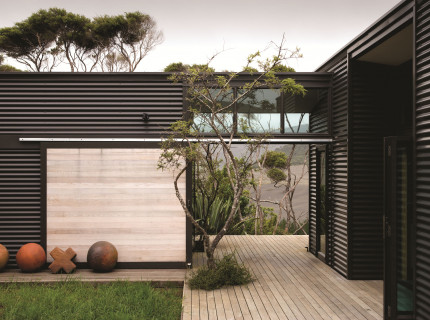
New Zealand Steel is committed to continual improvement of environmental performance and the efficient use of natural resources. Our objective is to produce a range of versatile steel building products and steel solutions that are innovative, durable, safe and aesthetic.
Resource-efficient Transport
Transporting products and people efficiently to reduce waste and emissions.
Monitoring Environmental Effects
New Zealand Steel’s Environmental Management System places great importance on its commitment to minimise any effects of taking or discharging water, as well as controlling the use of water. In order to fulfill this commitment, the company employs a rigorous monitoring programme with regular reports to the Auckland Council, as well as the involvement of independent environmental consultants.